


Iso Partner carbon footprint
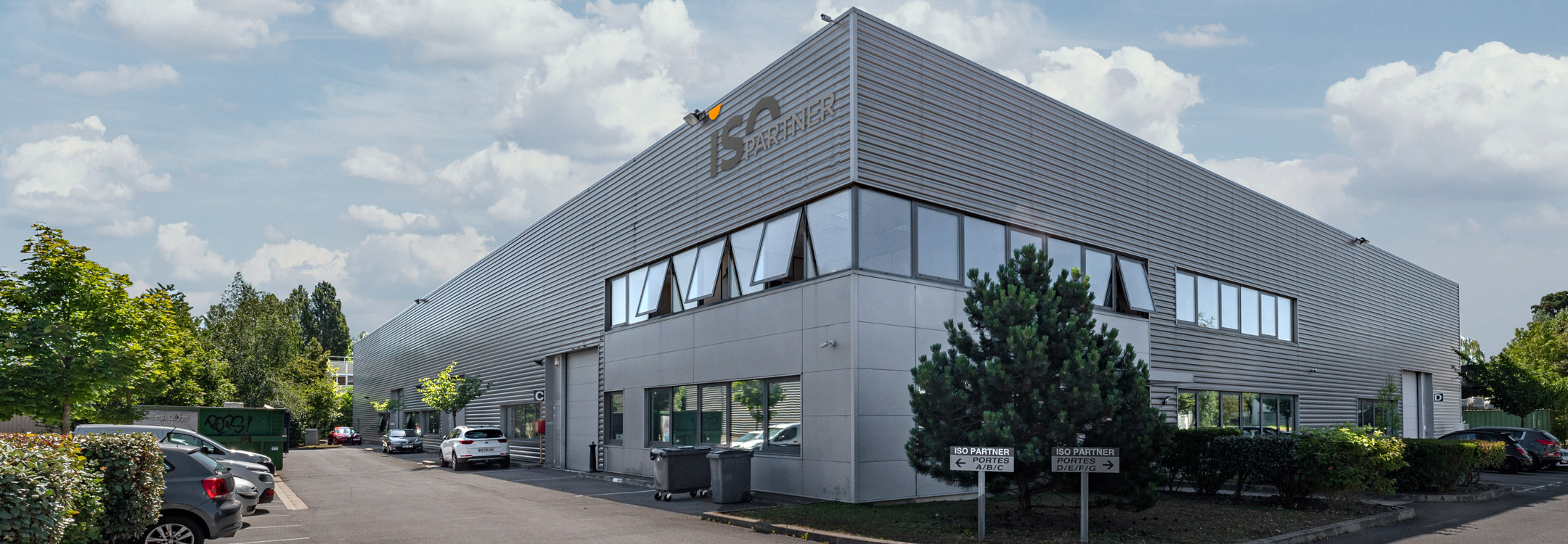
The logistics sector relies heavily on fossil fuels. Rather than ignoring that reality, we chose to measure our impact precisely so we can focus our efforts where they matter most. This assessment covers all of our activities: a warehouse of more than 4,000 m², subcontracted freight, travel, service purchases, energy use, and waste.
The conclusion is clear: 86% of Iso Partner’s emissions are indirect and come from our carriers, our suppliers, and our teams’ travel. Reducing our footprint requires working across our entire value chain, not just through internal actions. That is the work we have already begun.
Concrete measures, in operation since 2022, strengthened by the findings of our carbon assessment:
⚡
Heating capped (19°C in offices, 16°C in the warehouse), gradual rollout of LED lighting, motion sensors, and systematic shutdown of equipment.
🚲
Public transport costs covered at 100%, annual cycling bonus, and on-site dining areas to reduce car journeys.
♻️
Cardboard and plastic film compactor, in-house protective packing materials, and full waste sorting. No cardboard or plastic film is thrown away with general waste.
🚰
Filtered water fountain (zero bottles), capsule-free coffee, reusable tableware.
📄
100% of invoices sent by email, electronic signatures, bank transfer payments, and digital presentations in meetings.
🤝
Tracking the CO₂ emission rates of our subcontractors. Priority given to providers that are actively working on reducing their own impact.
Solar panels on the roof
Estimated production higher than our current consumption, with surplus electricity fed back into the grid
Low-emission vehicle fleet
Gradual replacement of combustion-engine vehicles, with self-consumption charging stations
100% LED lighting
Complete conversion of the warehouse to low-energy lighting
Measurable targets and tracking
Indicators for each area to measure our real progress
![Iso Partner [EN]](https://iso-partner.fr/en/wp-content/uploads/sites/2/2026/03/IsoPartner_logo_web-350x100.jpg)